

West Kent - Blue Bell Hill and Kit's Coty House.
Event Details
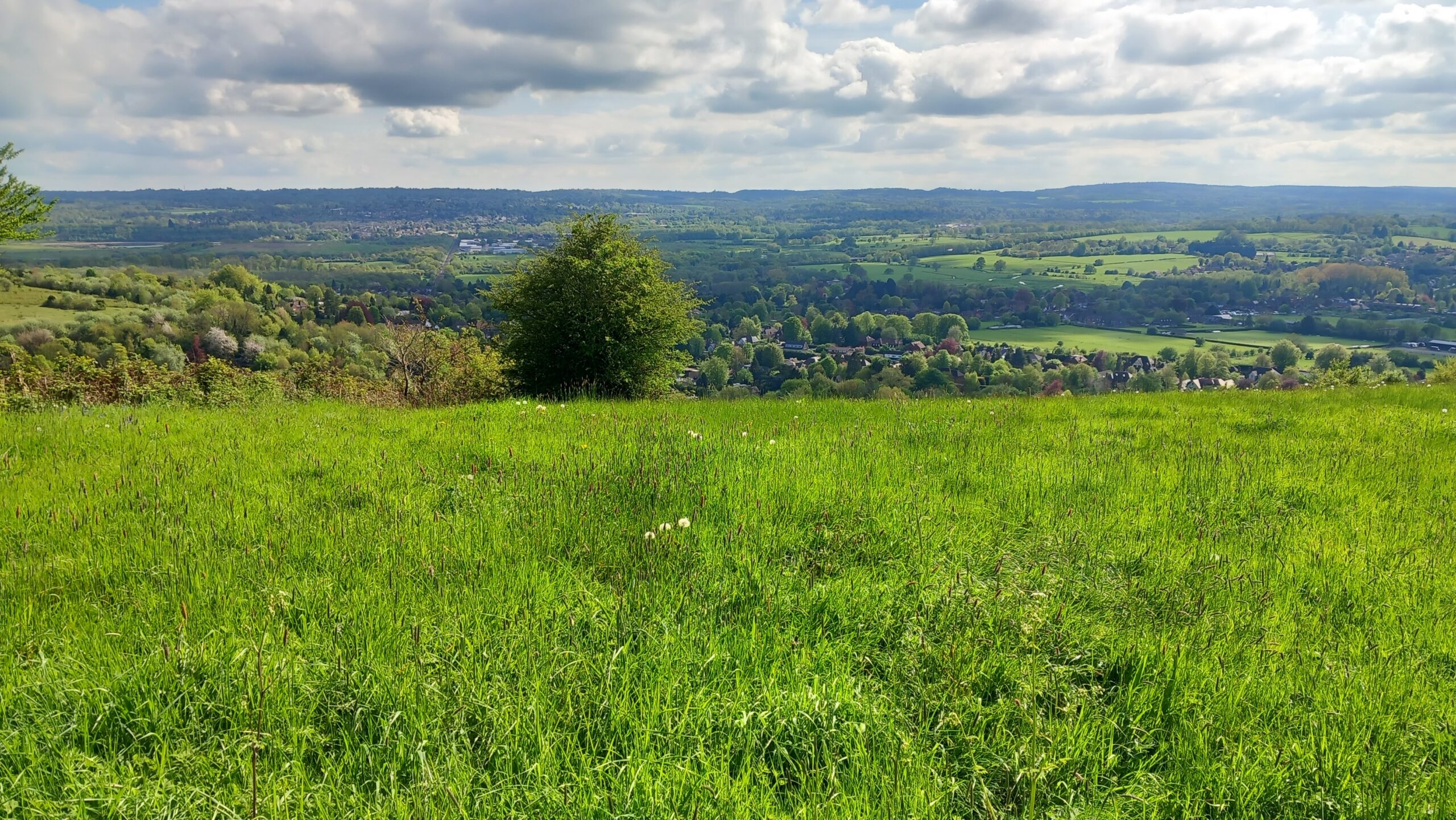
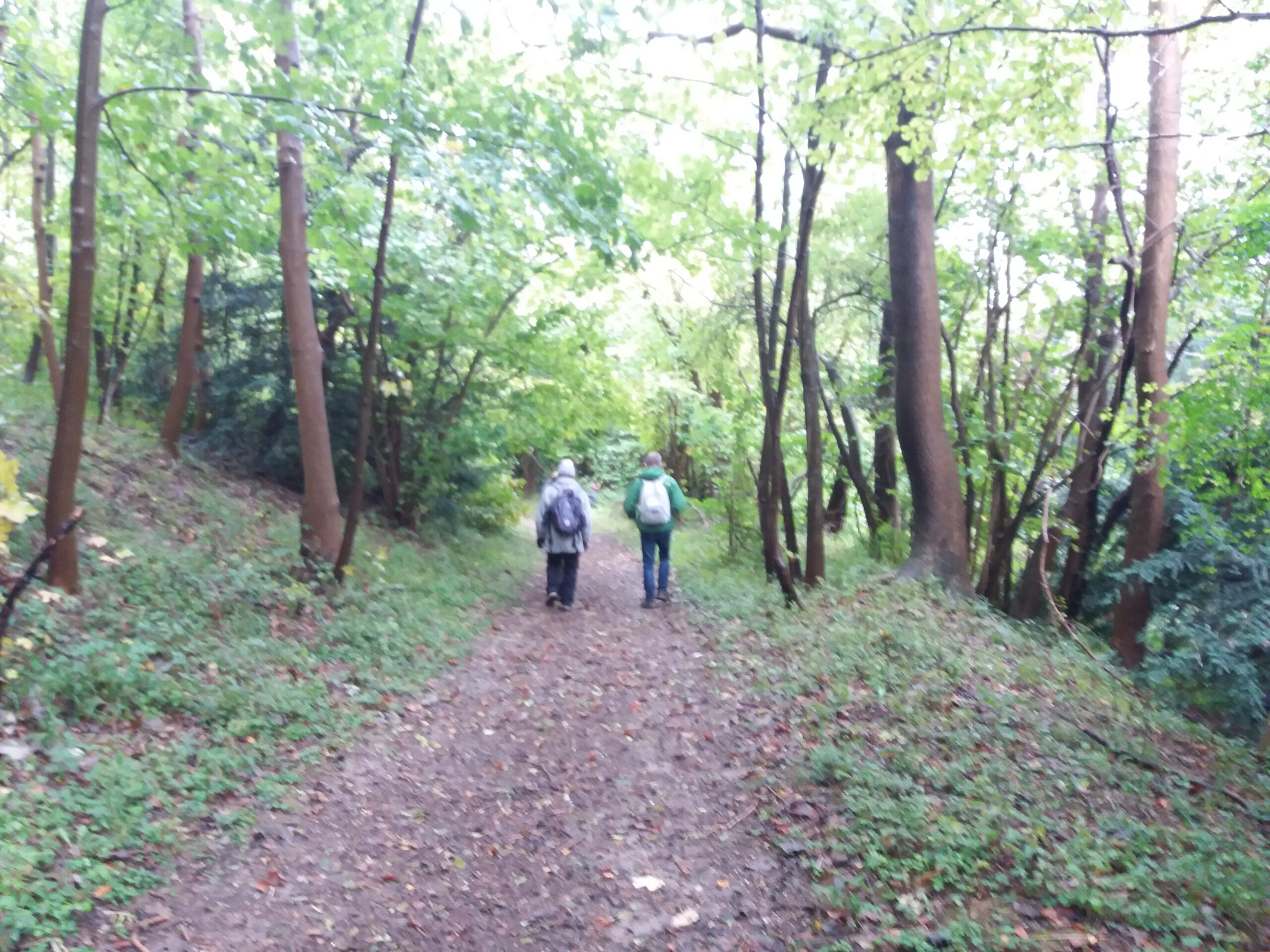
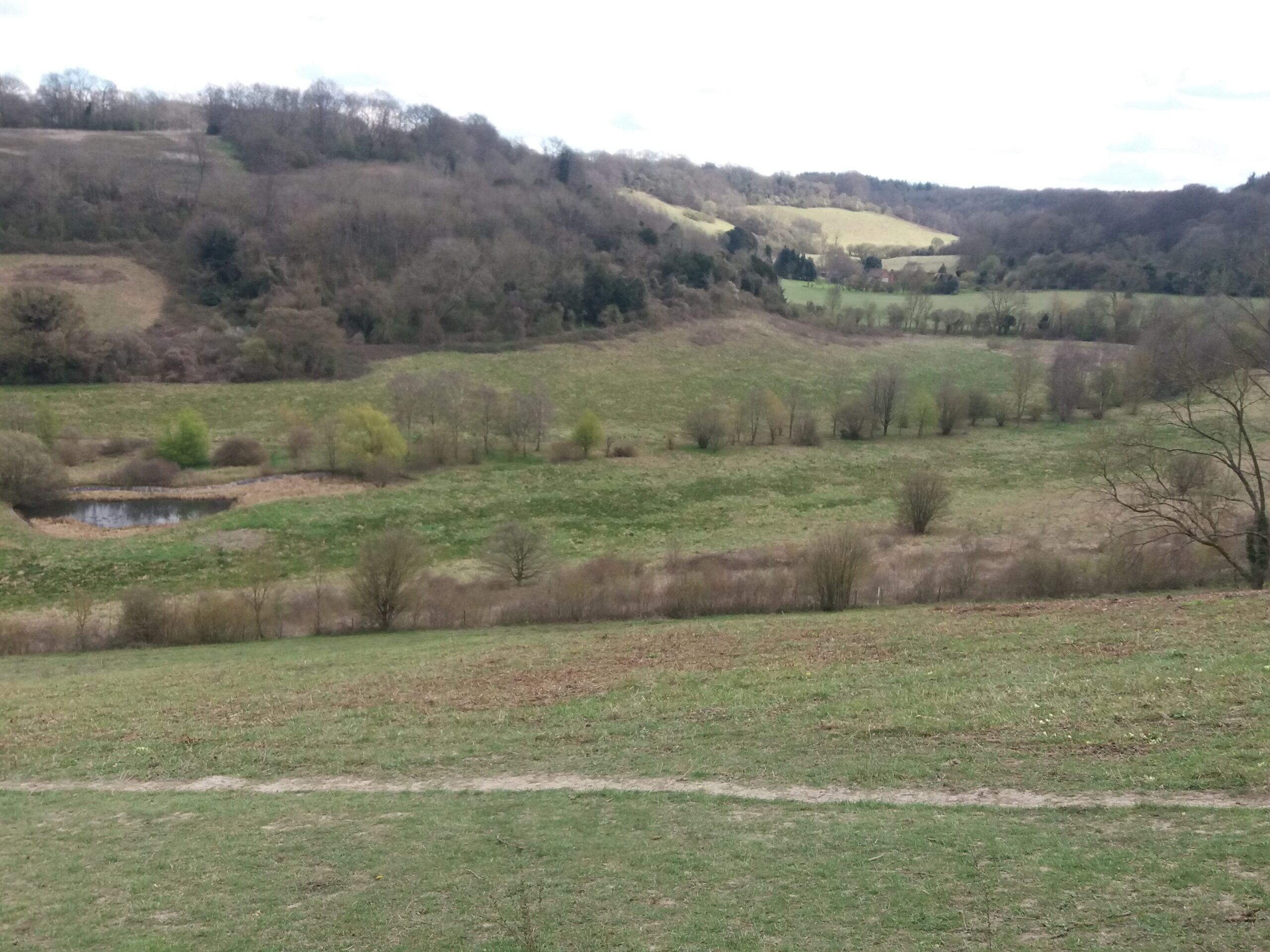

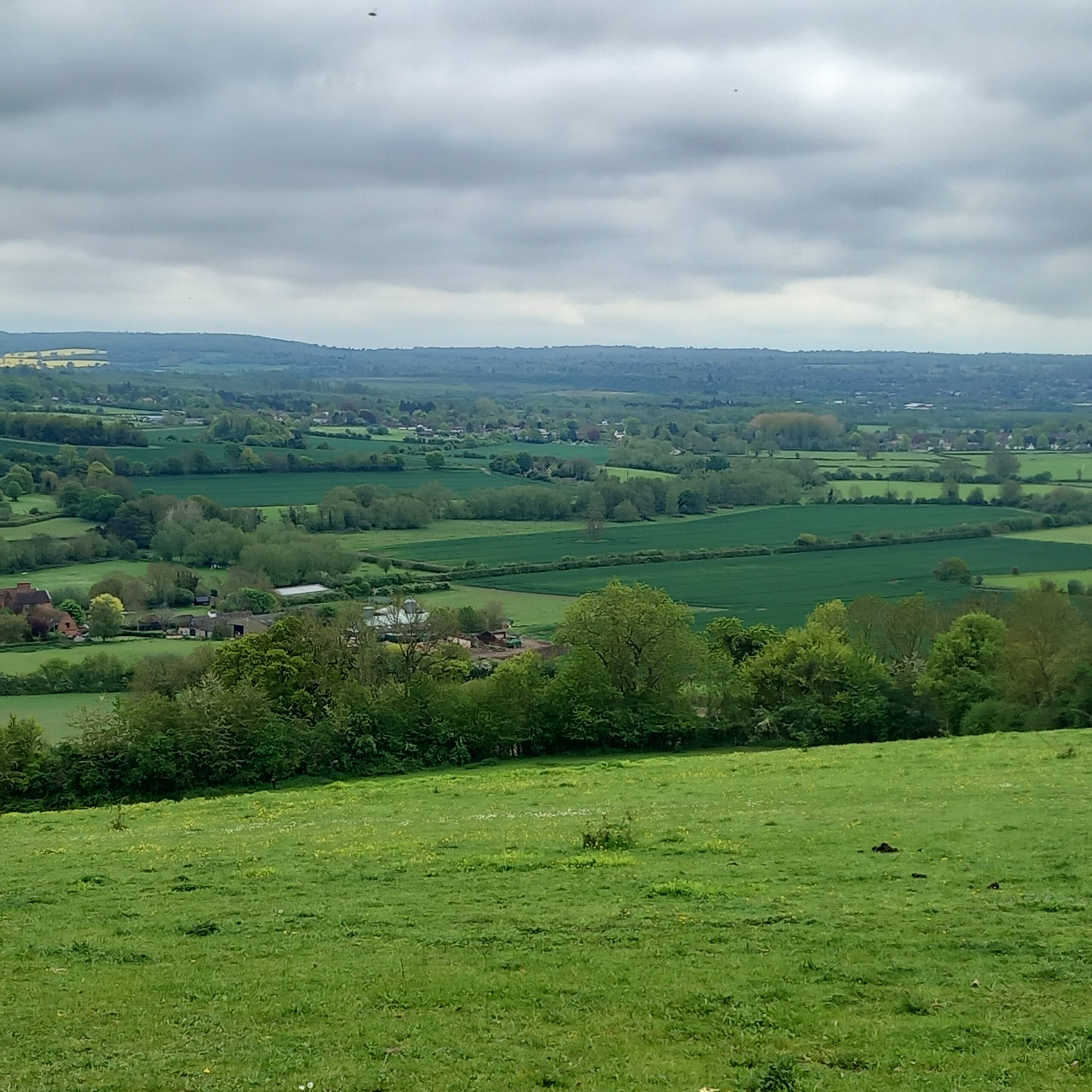
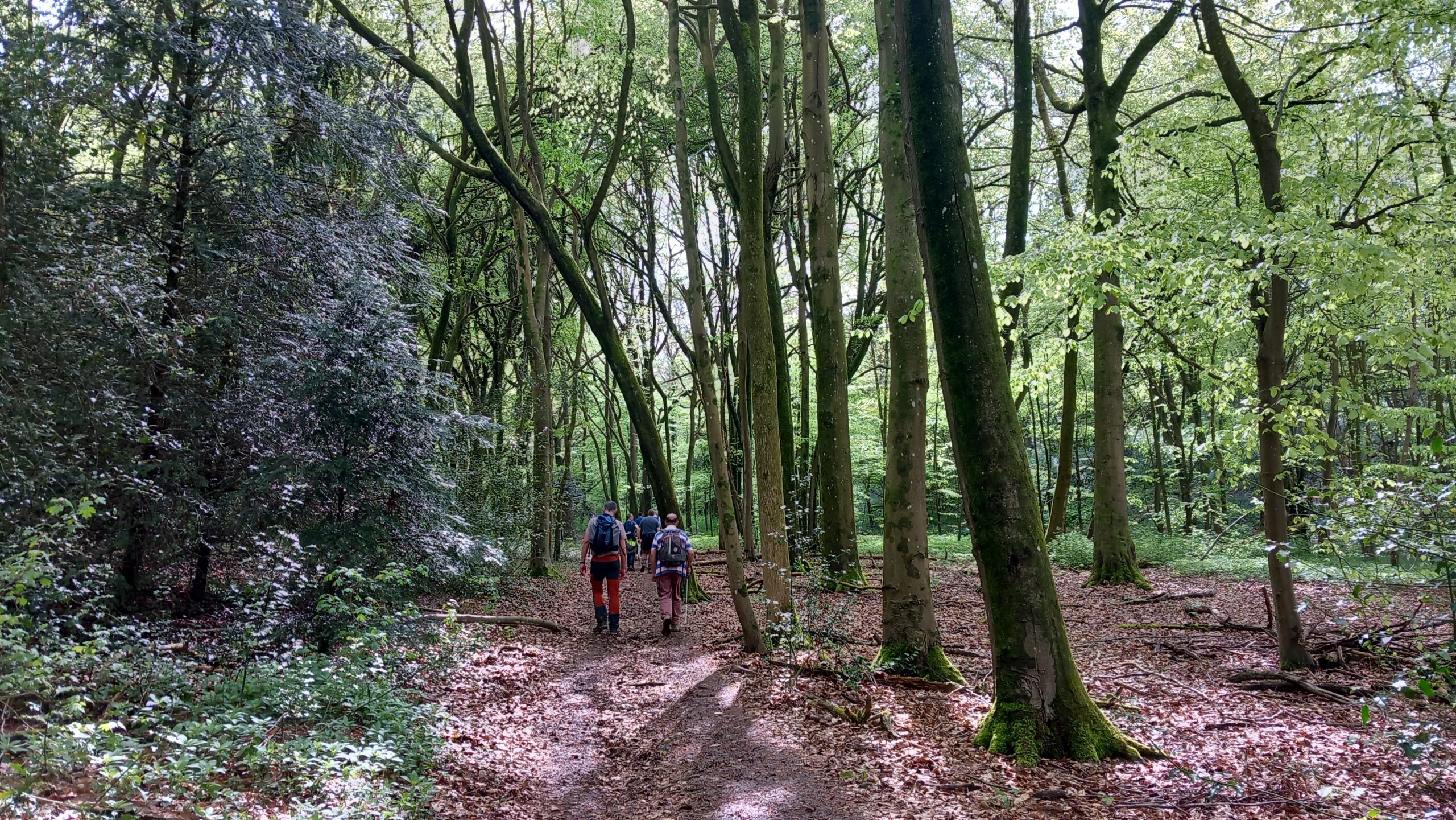
A 7 mile circular walk including a spectacular viewpoint on the North Downs and paths through quiet farmland in the Medway valley with some interesting prehistoric sites along the way.
After enjoying the views, we plunge down the steep side of the downs using a stepped path and join a good path leading to the village of Eccles. After passing through the village, we set off across farmland on reasonable paths, past various prehistoric stones, and ancient springs. We then move off the farmland to join a section of the North Downs Way (NDW), and climbing back up the side of the hill, will stop at the prehistoric monument known as Kit's Coty House. From there we follow the NDW back to the picnic site car park where we started.
History of Kit's Coty House and Little Kit's Coty House
Kit's Coty House and its neighbour, Little Kit's Coty House, are the remains of two megalithic 'dolmen' burial chambers. Kit's Coty is the larger of the two monuments, with three uprights and a massive capstone, while the smaller, Little Kit's Coty (also known as the Countless Stones), is now a jumble of sarsens.
Although the origins of their names are unknown, what is certain is that long barrows such as these were initially constructed during the early Neolithic period, between about 4000 and 3000 BC, to act as communal burial sites.
For many years the name, Kit's Coty, was thought to be a corruption of Catigern, the name of a British prince slain in single combat with the Saxon Horsa in a battle at Aylesford in AD 455 at which the Britons were victorious. The monuments were therefore assumed to be a memorial to him. There is no evidence to support this suggestion and the barrows predate this event by thousands of years. Moreover, long barrows are now assumed to represent the burial places of the earliest farming communities in Britain, and are among the oldest surviving prehistoric monuments. They appear to have been used for communal burial – often with only parts of the human remains being selected for interment – and it is probable that they acted as important ritual sites for local communities over a considerable period of time.
Full details are available to members only

Ready for another adventure?
GOC Shop
From hoodies and t-shirts to bags, bottles and bears - show your love for GOC with our gear from Spreadshirt.