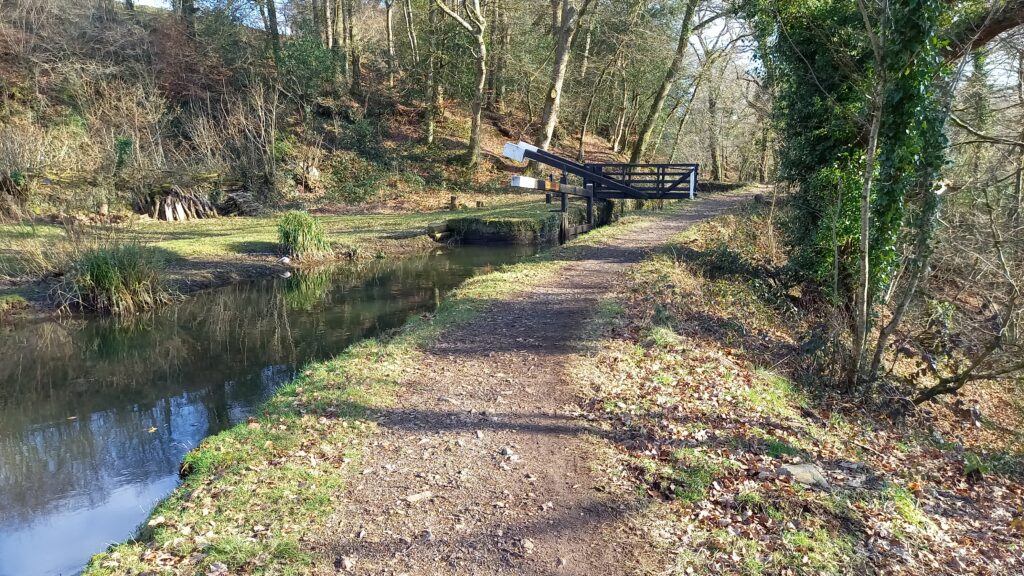

The late winter heatwave may have passed, but there was still a hint of sunshine as 20 members gathered at Birmingham Cathedral to start a 9.5 mile urban hike. The GOC isn't just about rural walks, there’s also a good mix of urban and city walks being organised across the country. Inspired by a largely traffic-free GOC London walk I did last year, I wanted to do the same in Birmingham (and also one in Nottingham, later this Summer). Eight miles of the route were on footpaths, towpaths or disused railway lines. It was great to see three first-timers join the event too.
Here’s some details (thanks,Google!) of some of Birmingham’s landmarks that we paused to admire.
Birmingham Cathedral
Birmingham Cathedral, officially known as St. Philip’s Cathedral, is a striking Baroque-style church in the heart of the city. Built in 1715 by architect Thomas Archer, it originally served as a parish church before becoming a cathedral in 1905. The cathedral is renowned for its stunning stained-glass windows designed by pre-Raphaelite artist Edward Burne-Jones. Despite its compact size, it plays a vital role in Birmingham’s religious and cultural life, hosting regular services, concerts, and community events. Its tranquil churchyard offers a peaceful retreat amidst the bustling city center, making it a cherished historical and spiritual landmark.
Town Hall
Birmingham Town Hall is an architectural masterpiece inspired by ancient Roman temples, with its grand Corinthian columns giving it a striking neoclassical appearance. Designed by Joseph Hansom and inaugurated in 1834, it has been a focal point for political, cultural, and musical events. The hall has hosted speeches from figures like Charles Dickens and concerts featuring renowned musicians, including the premiere of Mendelssohn’s Elijah. Following extensive renovations in the early 2000s, it remains a key venue for performances, exhibitions, and civic gatherings, symbolizing Birmingham’s rich artistic and political history.
Hall of Memory
The Hall of Memory is a solemn and beautiful war memorial in Centenary Square, built to honor Birmingham’s fallen soldiers from World War I and later conflicts. Completed in 1925, its Portland stone structure features intricate carvings and poignant inscriptions. Inside, the memorial contains bronze statues representing different branches of the armed forces, as well as a book of remembrance listing the names of the fallen. Designed by S. N. Cooke and W. N. Twist, it serves as a place of quiet reflection and a lasting tribute to the bravery and sacrifice of Birmingham’s servicemen and women.
Gas Street Basin
Gas Street Basin is a historic canal junction in Birmingham, where the Worcester & Birmingham Canal meets the Birmingham Canal Navigations. Once a hub of industrial activity, it has been transformed into a vibrant area filled with waterside bars, restaurants, and narrowboats. The basin played a key role in Birmingham’s rise as a manufacturing powerhouse, with goods transported by canal during the Industrial Revolution. Today, its mix of historic charm and modern leisure facilities makes it a popular destination for both locals and tourists, offering picturesque walks and a lively atmosphere along the water.
The Roundhouse
The Roundhouse is one of Birmingham’s most distinctive historical buildings, originally constructed in 1874 as a stables and storage facility for the city’s expanding canal network. Designed in a unique horseshoe shape by W. H. Ward, it played a crucial role in Birmingham’s industrial past. After falling into disuse, it has been restored through a collaboration between the National Trust and Canal & River Trust. Now, it serves as a heritage and community space, offering guided tours, exhibitions, and outdoor activities that celebrate Birmingham’s industrial history and canal network.
Edgbaston Reservoir
Edgbaston Reservoir is a scenic and peaceful body of water located just outside Birmingham’s city center. Originally created in 1827 to supply water to the city’s canal system, it covers 70 acres and is surrounded by woodlands and walking trails. The reservoir is popular for outdoor activities such as sailing, rowing, fishing, and birdwatching. Managed as a local nature reserve, it provides a haven for wildlife while also serving as a recreational space for residents. Its blend of natural beauty and historical significance makes it a treasured green space in Birmingham.
Old Joe
“Old Joe” is the affectionate nickname for the Joseph Chamberlain Memorial Clock Tower, a landmark on the University of Birmingham campus. Standing at 100 meters tall, it is the tallest freestanding clock tower in the world. Built in 1908 and inspired by the Torre del Mangia in Siena, Italy, it serves as a tribute to Joseph Chamberlain, a key figure in Birmingham’s political and educational history. The tower is a defining feature of the university skyline and is steeped in local legends, including superstitions about students failing exams if they walk beneath it before graduation.
Barber Institute of Fine Arts
The Barber Institute of Fine Arts is a prestigious art gallery and concert hall located at the University of Birmingham. Opened in 1939, it houses an impressive collection of European paintings, sculptures, and drawings from artists such as Rembrandt, Monet, and Van Gogh. Designed by Robert Atkinson in Art Deco style, the building itself is an architectural gem. The institute also hosts regular music performances, lectures, and temporary exhibitions, making it a cultural hub for art and history enthusiasts. Its world-class collection and academic connections make it one of the most significant art institutions in the UK.
Loft Lounge
A slightly shorter history than the above landmarks, but a few of us stopped for a sociable couple of hours at the end of the walk, consuming a fair amount of Madri. This ‘fake Spanish’ lager was developed and brewed in our own Midlands region, so it seemed an appropriate way to finish our day.
Thanks to David Millar for the additional photos and to the members for making a very enjoyable day out.
James