
Event led by Tom M
Attendance: 5 men
Distance: 9.99 miles (16.08 km)
Time: start 11:01, end 15:14, lunch 31 minutes
Terrain: gravel track, grass, field, field edge, road on footpath, bridleway and access roads.
Elevation: start 145m, high 219m, low 131m
Weather: sunny with low clouds, 23°C, wind 12.428 mph, NNE wind, felt like 25°C
Number of sewage works: 0
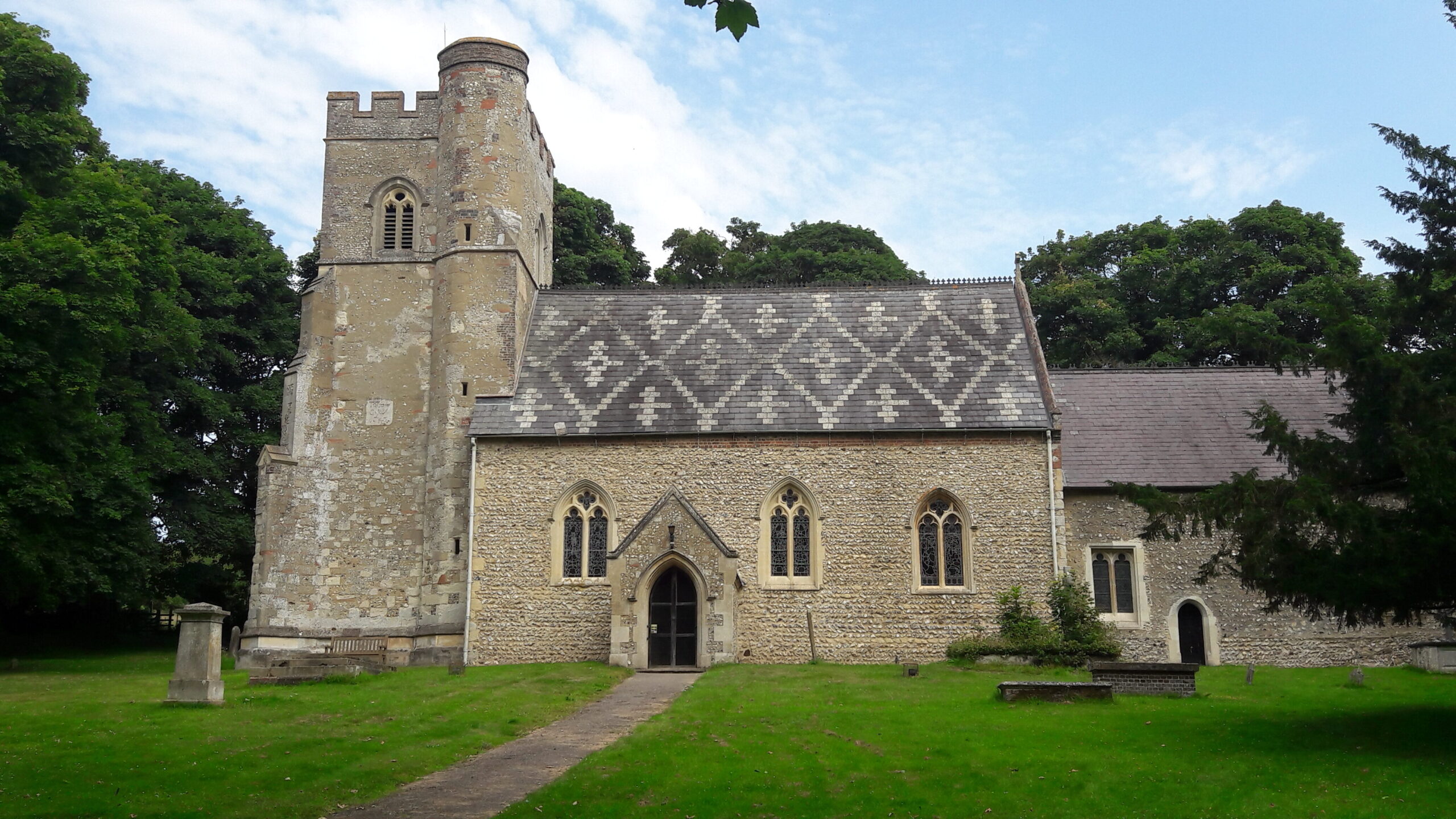
Number of churches: 1
Number of golf courses: 0
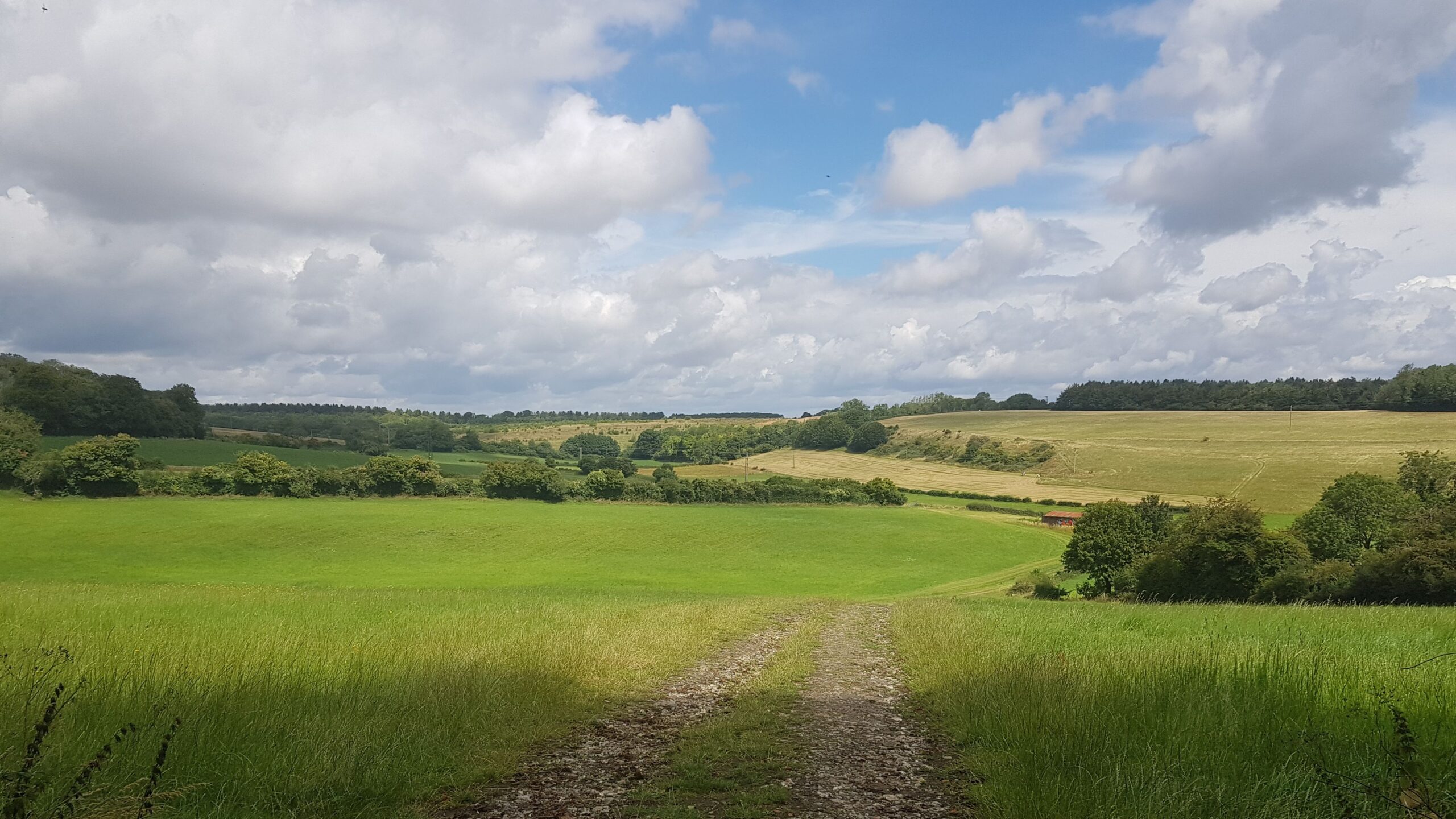
This was a circular walk of 9.99 miles (16.08 km) from Markyate via Lynch Hill to Kensworth Quarry and returning via Whipsnade Heath. Hertfordhire & Bedfordshire county lines.
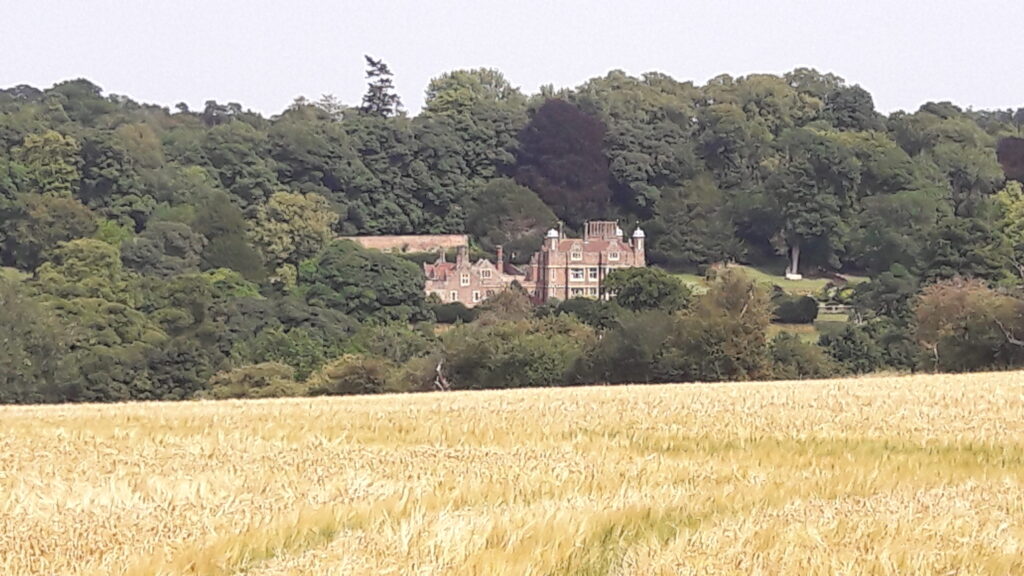
The countryside is predominantly arable land. The grandest property is the privately owned Cell Park.
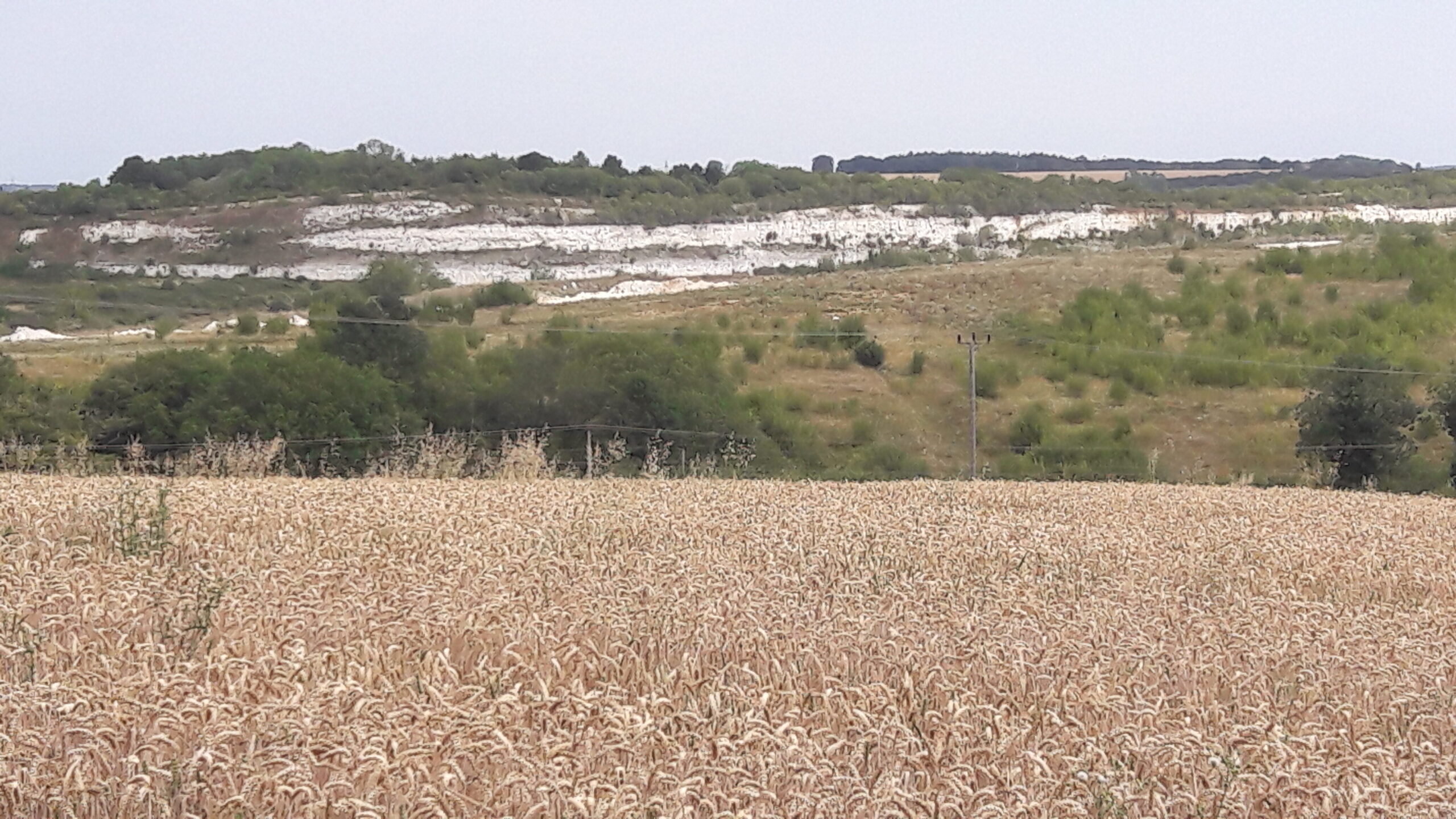
The large working quarry east of the Nature Reserve is called Kensworth Chalk Pit. It is a geological SSSI that provides an unrivalled reference section for the boundary between the Turonian Middle Chalk and the Coniacian Upper Chalk.
,,,,,,,,,,,,,,,,,,,,,,,,,,,,,,,,,,,,,,,,,,,,,,,,,,,,,,,,,,,,,,,,,,,,,,,,,,,,,,,,,,,,,
The church:
- St Mary's , Kensworth, https://www.parishlink.org.uk/church/kensworth-church
Bizarre bits:
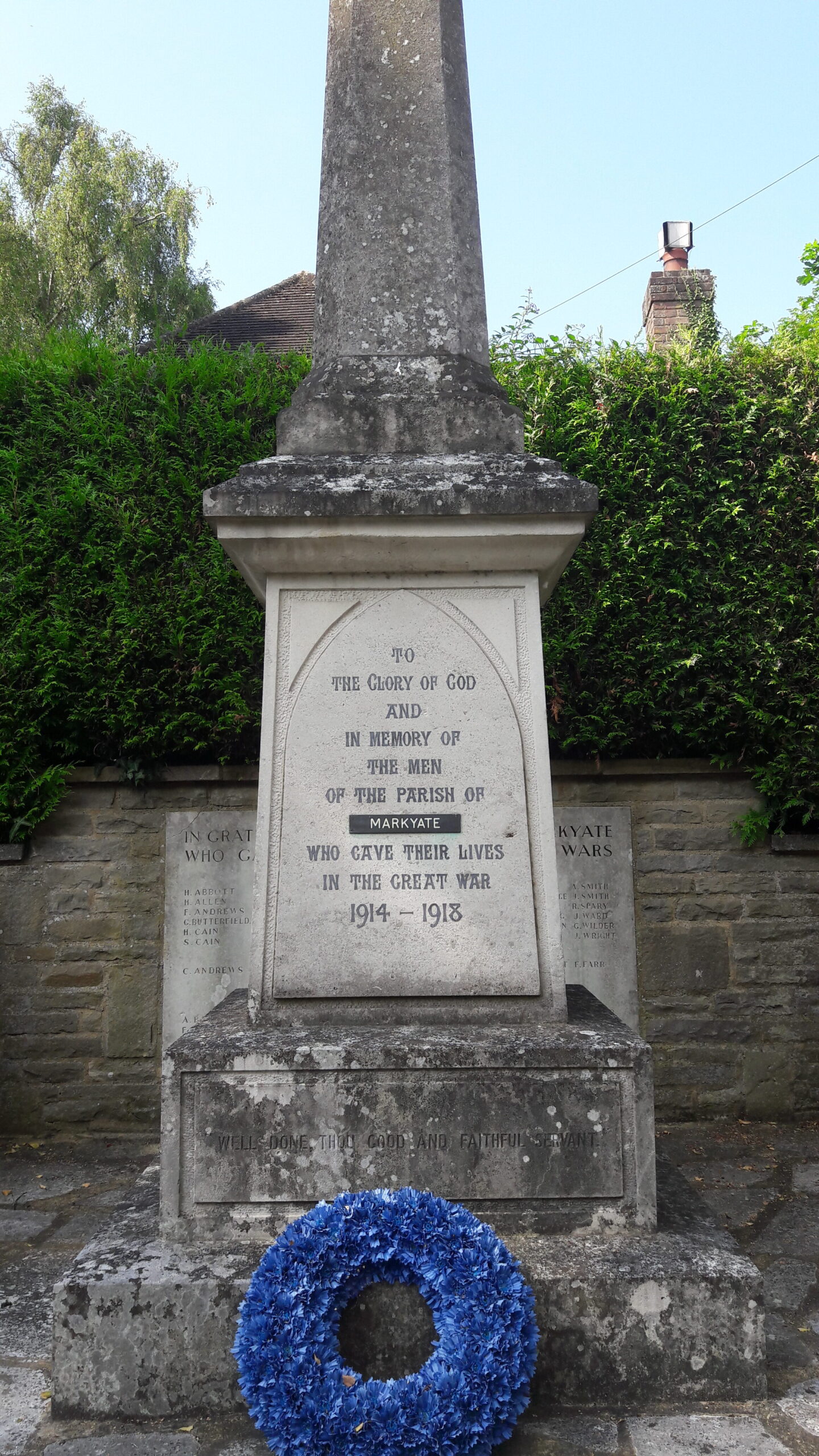
Markyate: Part of the Dacorum Borough Council district with Luton (01582) phone numbers and a St Albans postal code (AL3). Although historically a rural and agricultural area, it is now a dormitory village.
Markyate is close to the source of the River Ver. The Ver is a chalk stream. However, many of its natural features have been compromised as a result of being canalised during the construction of the artificial lakes at Verulamium Park in St Albans in the 1930s (following the archaeological excavations of Verulamium by Sir Mortimer Wheeler). During the 1960s and 1970s
Markyate Cell (Cell Park) was built on the site of a 12th-century Benedictine Priory and takes its name from a cell, or smaller structure, that served the monastery. It was converted at great expense into a manor house in 1540, and then rebuilt in 1908 after a fire. When a secret chamber was discovered by workmen in the 1800s behind a false wall next to a chimney stack.
It is alleged Lady Katherine Ferrers (1634 – 1660) was an English gentlewoman and heiress who used the secret entrance into the property after her evening trips. A popular legend is that she was a highwaywoman a.k.a "The Wicked Lady", who terrorised the villages on the old roman road.
The property was on sale in 2014 for £4.5m
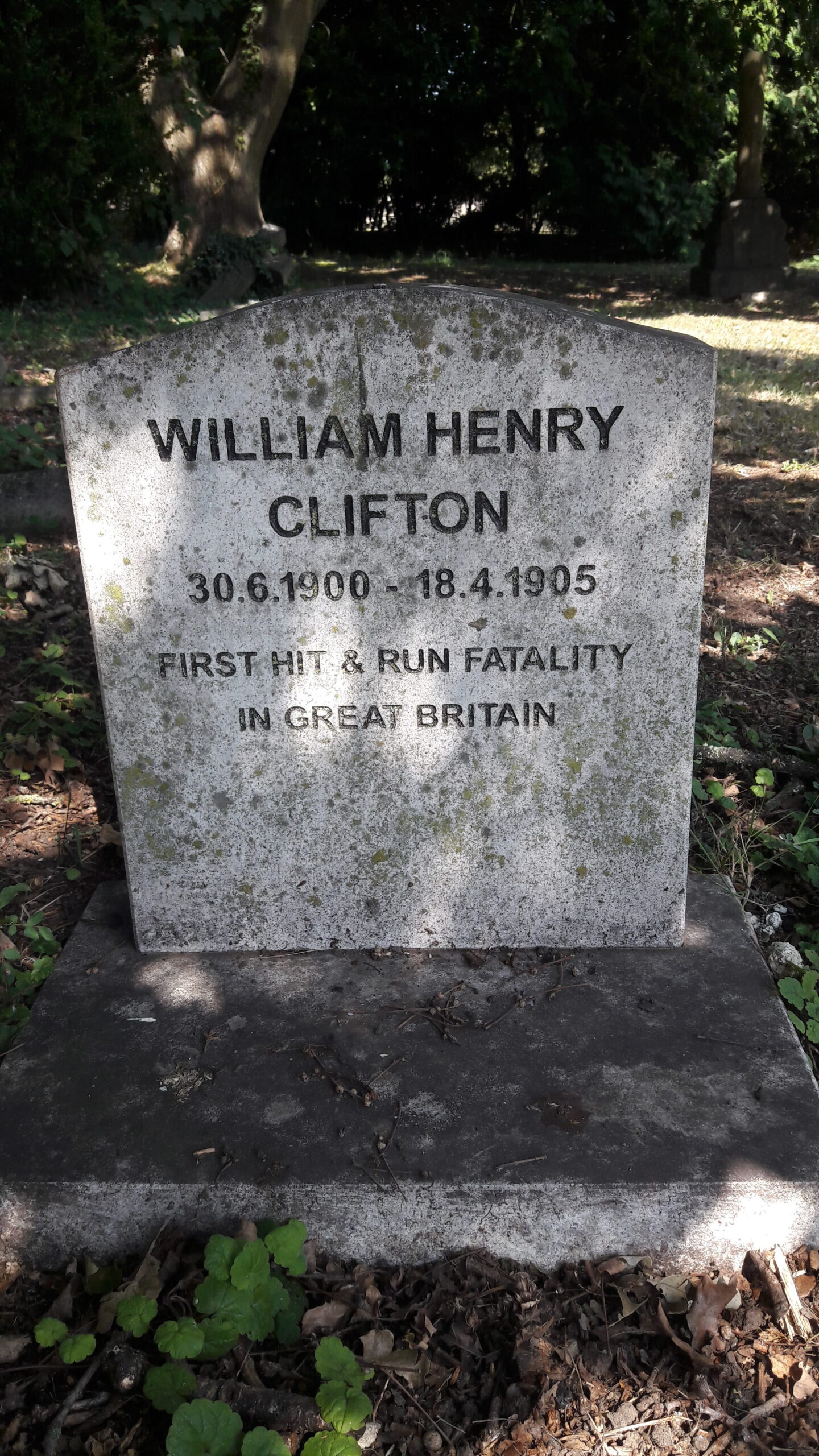
Markyate had the first reported “hit and run” accident in 1905 which shock the nation. A child named William Clifton was knocked down by a motor car and killed. The child, who was only five years of age, had just reached its home in the London-road after attending school, and it seems that it was playing a few yards from the door when a motor-car approached what is described as a terrific pace and knocked the child down. It is stated the Daily Mail put up a reward of £100 to find the car - and were presumably very surprised when it turned out that the car was owned by a member of the Harmsworth family (which owned the Daily Mail). The chauffeur Rocco Corpalbas was found guilty and sentenced to 6 months hard labor.
Mr Harmsworth arranged for a life pension to be paid to the parents.
Kensworth Chalk Quarry is a 131.3 hectare geological Site of Special Scientific Interest, that provides an unrivalled reference section for the boundary between the Turonian Middle Chalk and the Coniacian Upper Chalk.
Kensworth is an ancient parish and for most of its history lay in the Dacorum Hundred of Hertfordshire. However, it has a complicated history in the 19th century. In 1834 poor law unions were established, with large central workhouses, to administer relief to the poor of an area. Kensworth, though still in Hertfordshire, was included in the Luton Poor Law Union. From 1863 it was also included in the Luton Highway District. In 1894 Kensworth was included in the new Markyate Rural District.