
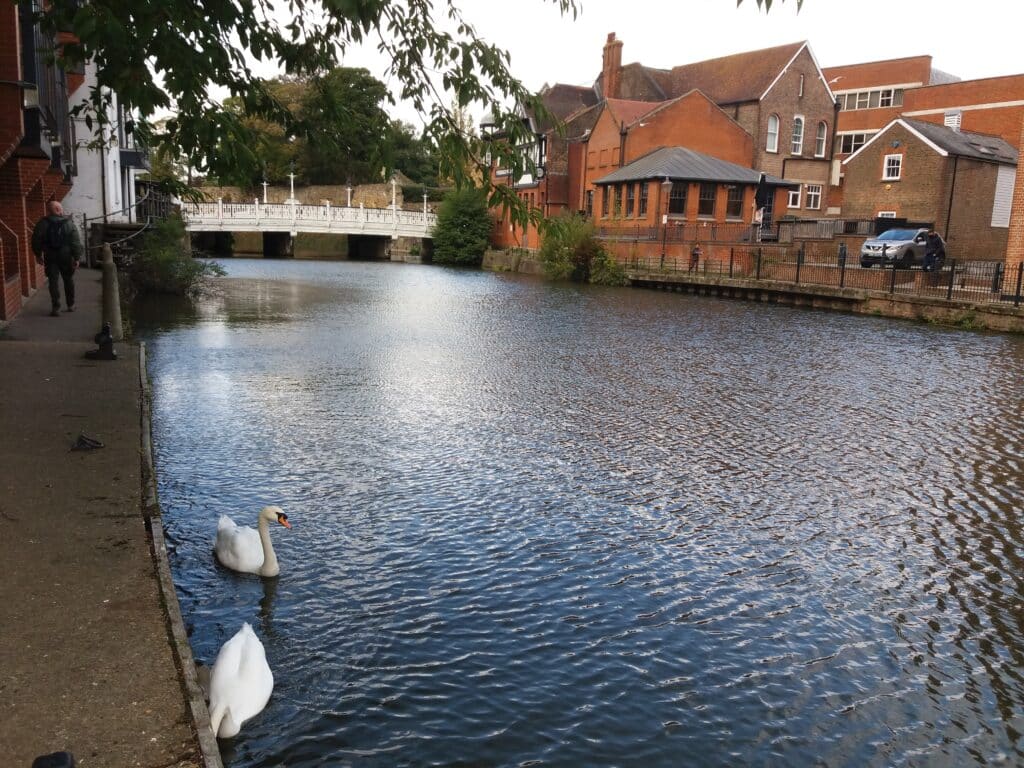
West Kent - Tonbridge and the River Medway.
Event Details
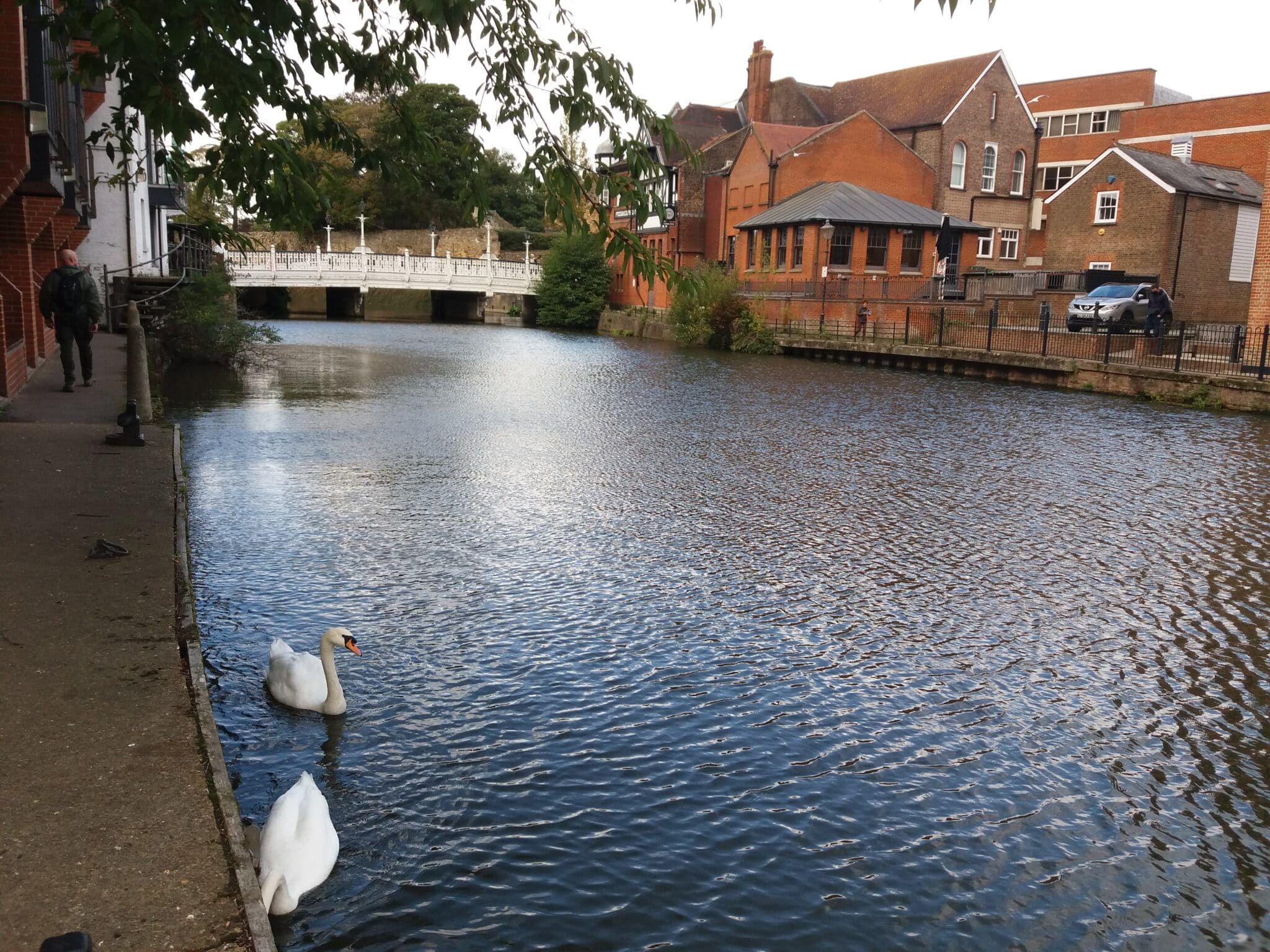
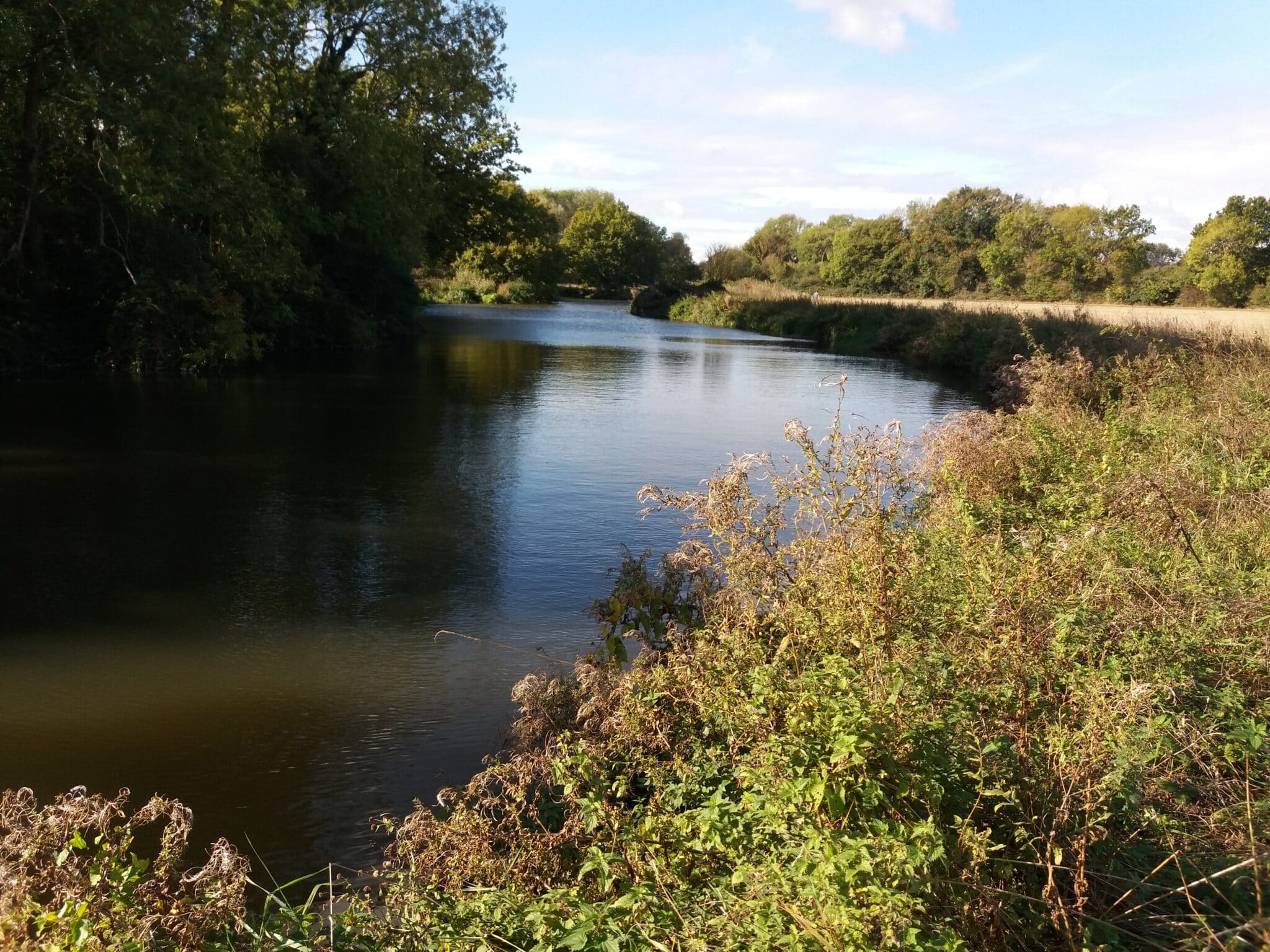
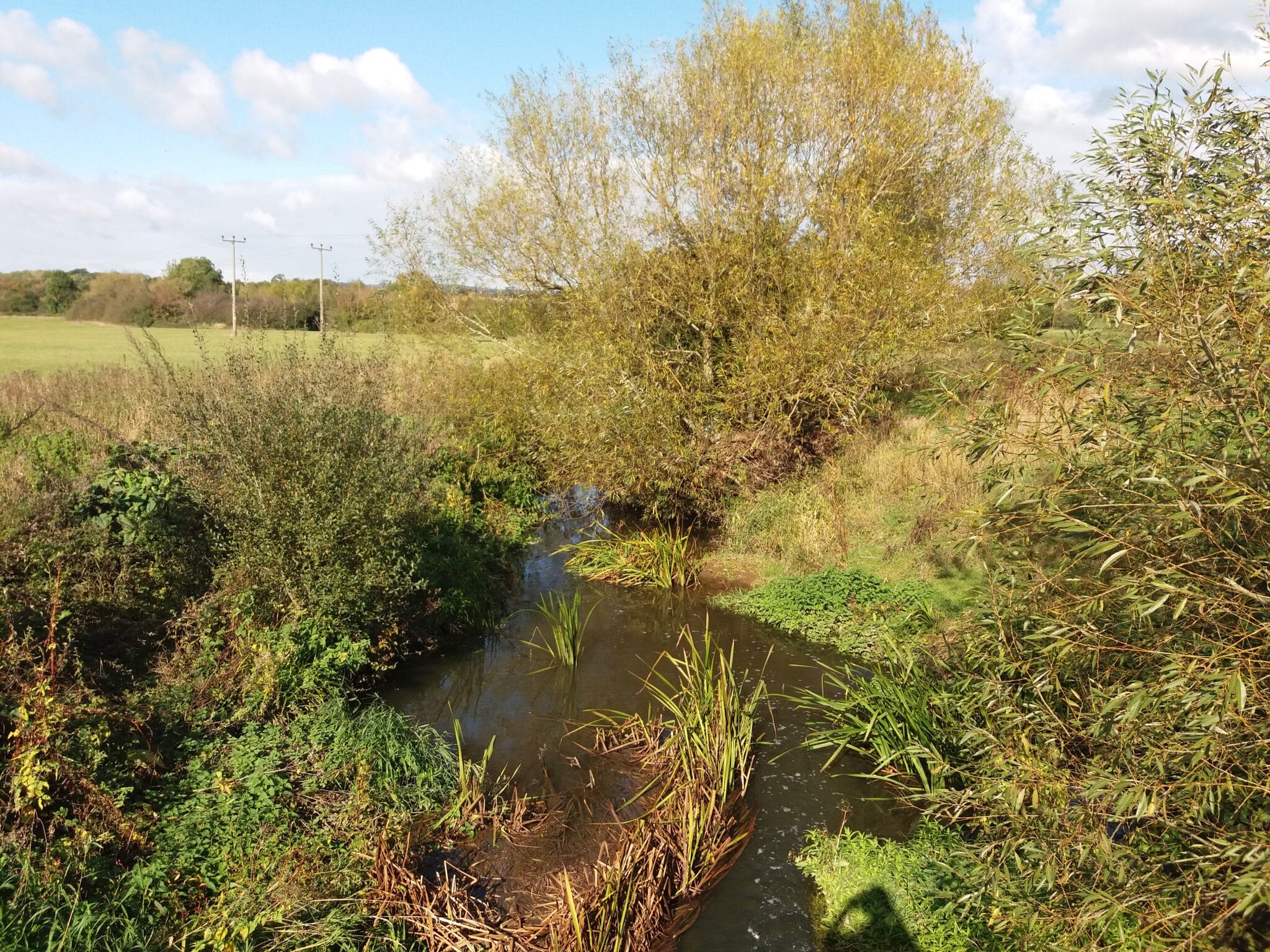
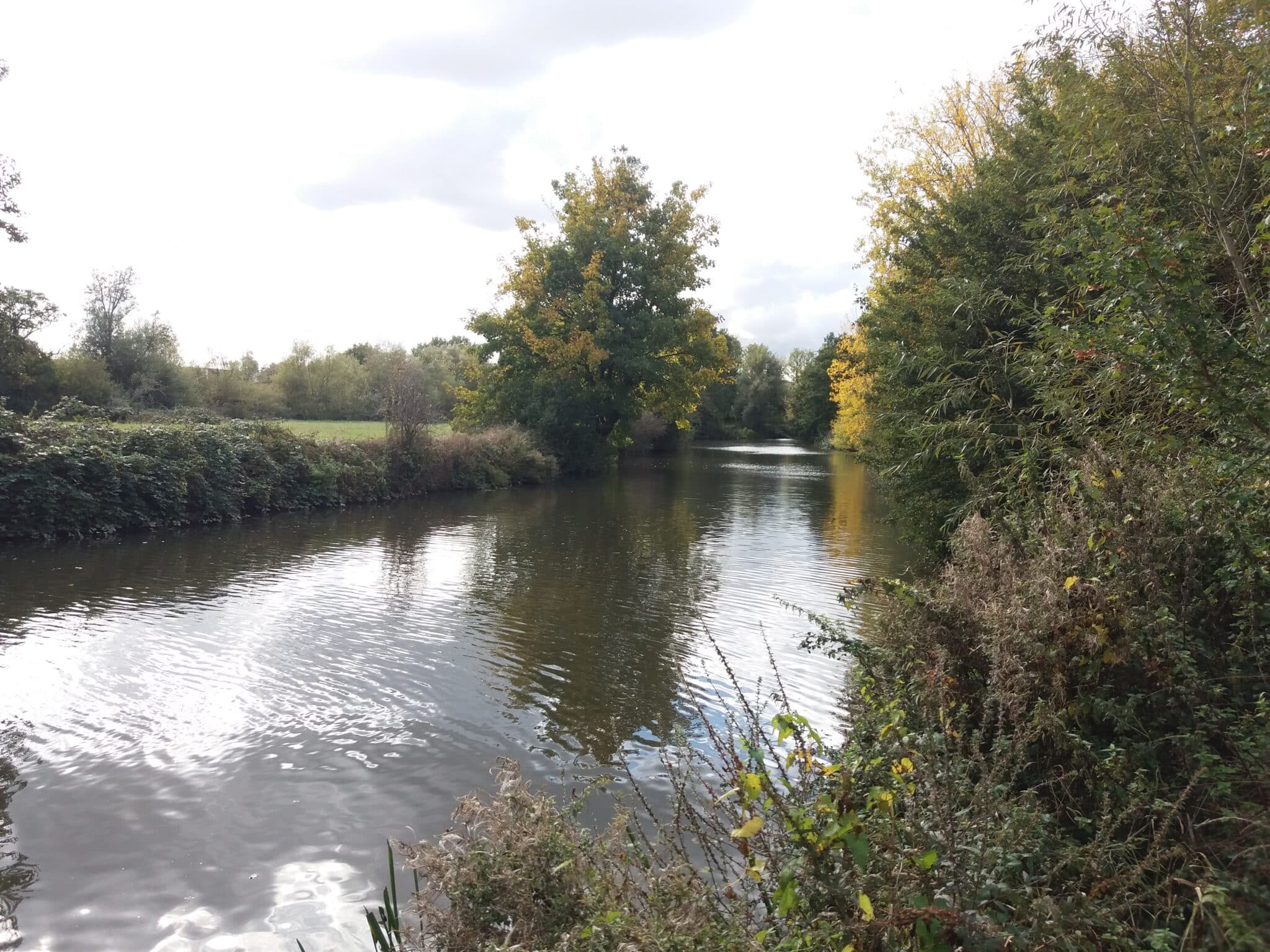
This 7-mile circuit is one of easiest but most pleasant rural walks that you are likely to find. From Tonbridge, we will walk east along the south bank of the River Medway. Staying on the south side of the river, after around an hour’s walking, we will take a drinks and comfort stop. From there, we will continue east for a short distance before turning north across farm fields where crops are growing, through a small wooded area, and finally onto a quiet road. On reaching Hartlake Bridge, we will turn west along the north bank of the Medway for our return to Tonbridge. Around 50 minutes after our drinks stop, we will break for lunch in the picnic area at Porters Lock. We estimate that we should be back in Tonbridge by around 15:15.
History of Tonbridge
The town was recorded in the Domesday Book of 1086 as Tonebrige, which may indicate a bridge belonging to the estate or manor (from the Old English tun), or alternatively a bridge belonging to Tunna, a common Anglo-Saxon man's name. Another theory suggests that the name is a contraction of "town of bridges", due to the large number of streams the High Street originally crossed. Until 1870, the town's name was spelt Tunbridge, as shown on old maps including the 1871 Ordnance Survey map and contemporary issues of the Bradshaw railway guide. In 1870, this was changed to Tonbridge by the GPO due to confusion with nearby Tunbridge Wells, despite Tonbridge being a much older settlement. Tunbridge Wells has always maintained the same spelling.
A motte and bailey castle was built in Tonbridge in the 11th century by Richard Fitz Gilbert, son of the murdered guardian of the infant William the Conqueror. Richard was responsible for governing England in William I's many absences.
In 1740, an Act of Parliament was passed to make the River Medway navigable to Tonbridge by the Medway Navigation Company, allowing such materials as coal and lime to be transported to the town, and gunpowder, hops and timber to be carried downriver to Maidstone and the Thames. For a hundred years, the Medway Navigation Company was highly profitable, paying out good dividends to its investors, but after the arrival of the railway in 1842, the company went into a steep decline and all commercial traffic ceased in 1911 when the company collapsed. Some of the original warehouses and the wharves are still recognisable today, downstream of the town's main bridge.
Hartlake Bridge disaster
On the evening of 20 October 1853, a wagon was taking around 40 hop-pickers and their families back to their camp site. One of the horses pulling the wagon shied on the bridge, causing one of its wheels to crash through the side of the bridge. This upended the cart, tipping its passengers into the river, which at the time was swollen in flood. The accident resulted in the death of 30 hop-pickers. The victims were casual workers of either Irish or Romani people. The inquest into the deaths was held and found that "the accident arose entirely from the defective state of the road and the wooden bridge, and their dangerous construction, which ought to have been before remedied".
Full details are available to members only
Ready for another adventure?
GOC Shop
From hoodies and t-shirts to bags, bottles and bears - show your love for GOC with our gear from Spreadshirt.