

A Green Chain Urban Walk: Bromley to Greenwich
Event Details
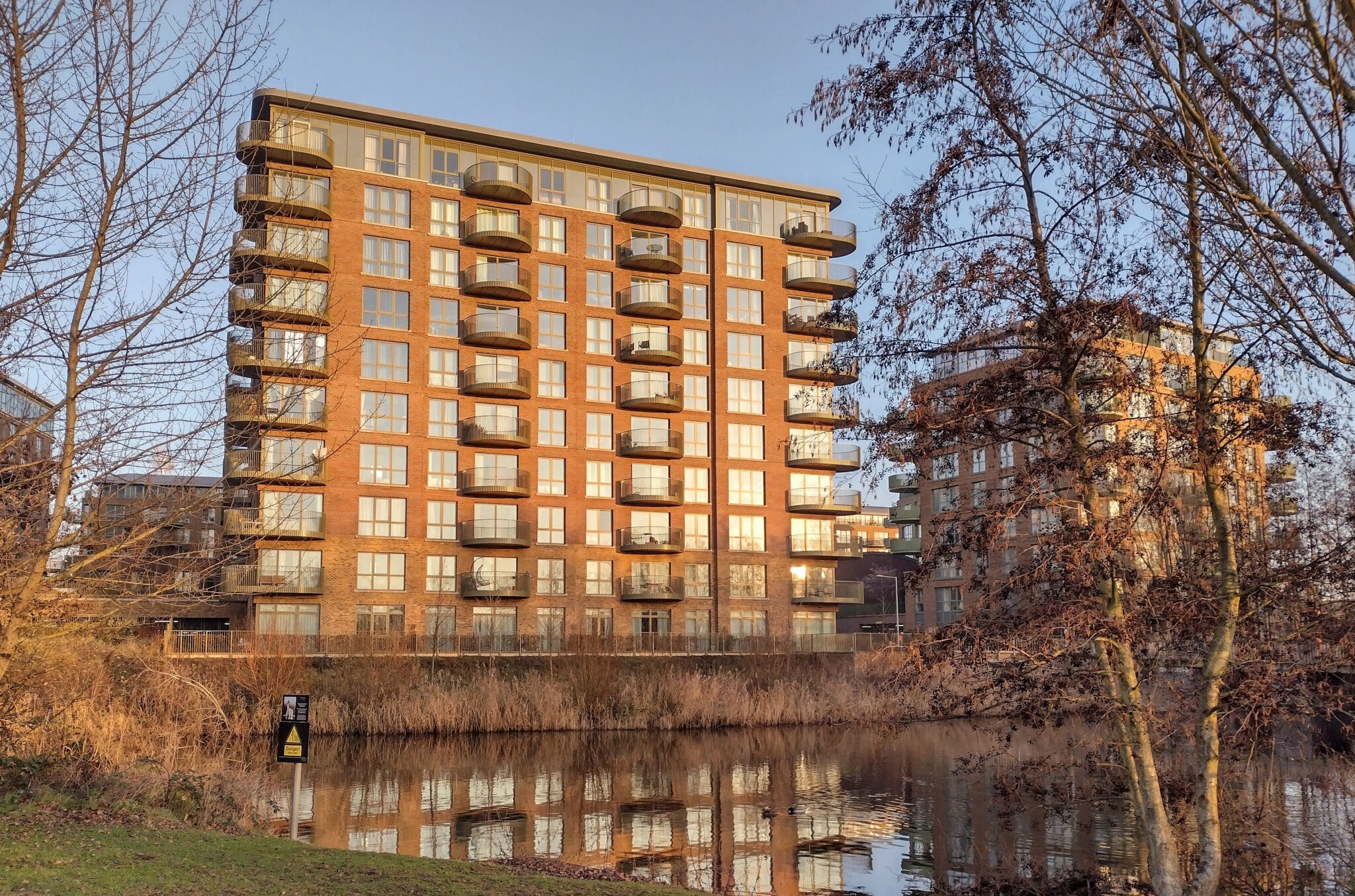


The South East London Green Chain is made up of over 300 open spaces and woodland that form a great arc of undeveloped land in outer South East London, which is quite exceptional in a major city. The 52 mile Green Chain Walk (GCW) was established in 1977 to encourage the exploration of this resource. The GCW is not a single route, but a complex branching network of over 50 miles length. It offers many opportunities for circular and linear walks. GOC London has walked many of these paths before, but this walk covers mostly new ground, including a section between Eltham and Greenwich, which was for some reason never waymarked.
The walk ends in Greenwich, but will not focus on the world famous sites of the Greenwich World Heritage Site, which merit their own tour. We nonetheless pass a number of lesser known places of historical interest en route, including:
Sundridge Park: From about 1200, Sundridge Park was an estate that belonged to the Bishop of Rochester. The grounds were redesigned by the renowned landscape architect Humphrey Repton in 1793. The fine mansion designed by John Nash and Samuel Wyatt. dates from the same period. The grounds have been a golf course for over 100 years and the house was converted into flats in 2020.
Elmstead Wood: The settlement of Elmstead is named after the presence of elm trees but now the trees in this 85 acre wood are predominantly oak, some of which are 200 years old. There are also some fine beech trees. On the way through the woods on section 9 there are some tree carvings by the chainsaw sculptor, Will Lee.
Eltham Palace dates from about 1300 and the royal family resided there until the early 17th century. In 1933 a lease was granted to Stephen Courtauld of the wealthy textile family. He and his wife built an extraordinary, modern house on the site that was successfully integrated with the great hall of 1479. English Heritage took the lease in 1995 and it is highly recommended for a visit (but on another occasion!)
Eltham Green now lies close to busy main roads, but was formerly Eltham’s Village Green. It belongs partly to the Crown Estate.
Sutcliffe Park was originally formed from farmland in 1937 as playing fields, but has in recent years been extensively remodelled. The earlier culverting of the River Quaggy led to the occasional severe flooding of central Lewisham. Following a pilot project, in 2003 Sutcliffe Park was radically remodelled to include extensive wetlands, the lowering of the site, and the embanking of its periphery. In extremely wet conditions, the park is designed to fill as a water storage facility.
Kidbrooke Village is a major development which began in 2009. It is built on the site of the 1968 Ferrier Estate. Kidbrooke Village has proved much more successful despite possessing several thousand more dwellings. Much of it is now an established residential community, but major development is ongoing.
Morden College was founded by the philanthropic Sir John Morden in 1695 as a home for merchants working within the Turkey Company, later known as the Levant Company, who had fallen into difficulty or infirmity. The College passed to the Honourable East India Company and later the Corporation of the City of London. It remains as a retirement home. The main building was designed by Sir Christopher Wren and built by his master mason, Edward Strong.
The Paragon is a Grade 1 listed building, by the architect Michael Searles on land belonging to John Cator between 1800 and 1806. Initially fashionable, by the late 19th Century the building’s reputation had waned and had partly become hotels and lodging houses. Severe damage in World War Two was followed by a restoration which won an award in the 1952 Festival of Britain.
Full details are available to members only
Ready for another adventure?
GOC Shop
From hoodies and t-shirts to bags, bottles and bears - show your love for GOC with our gear from Spreadshirt.