
West Kent - Leigh, Haysden, and Penshurst circular.
Event Details

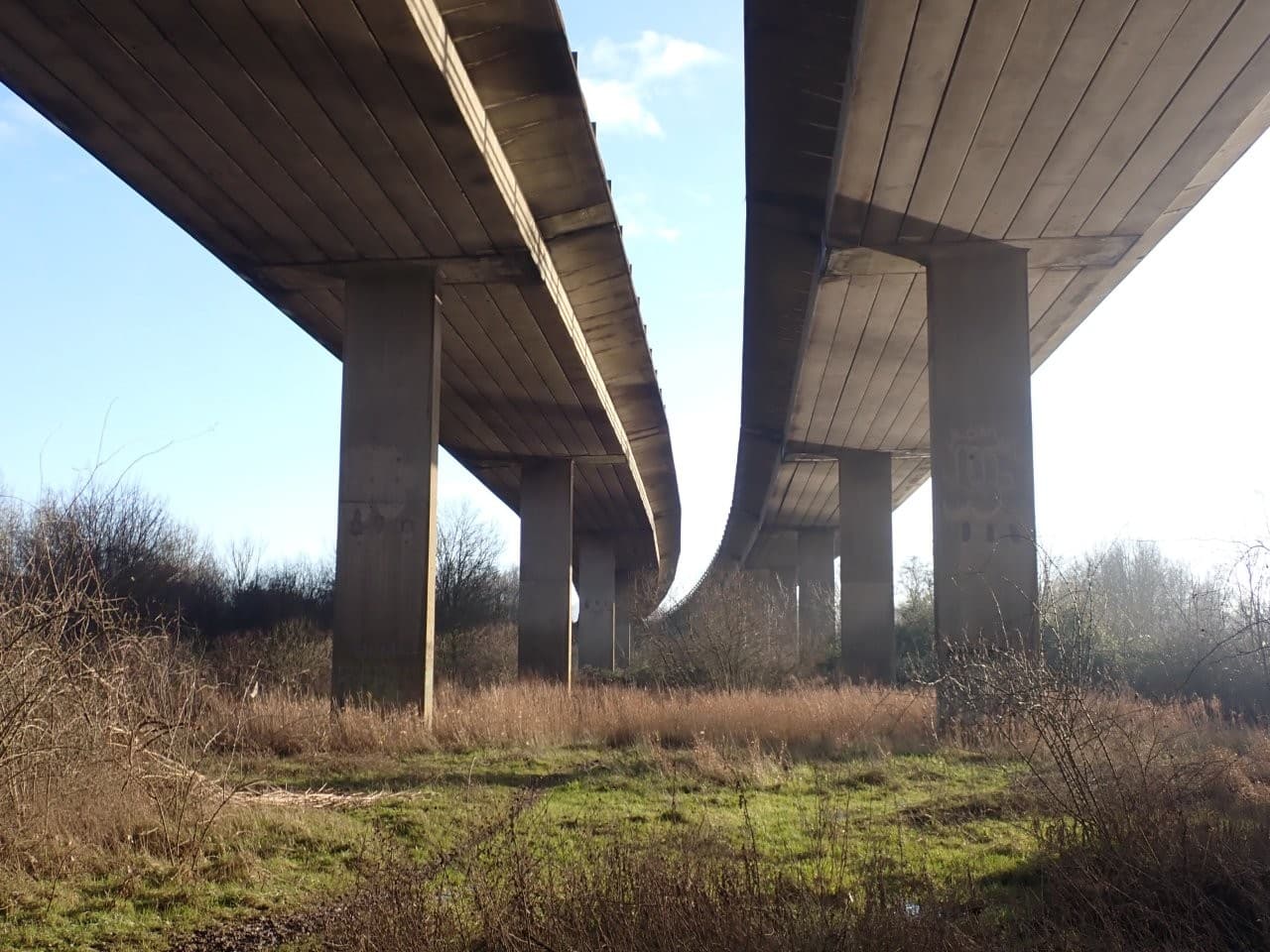
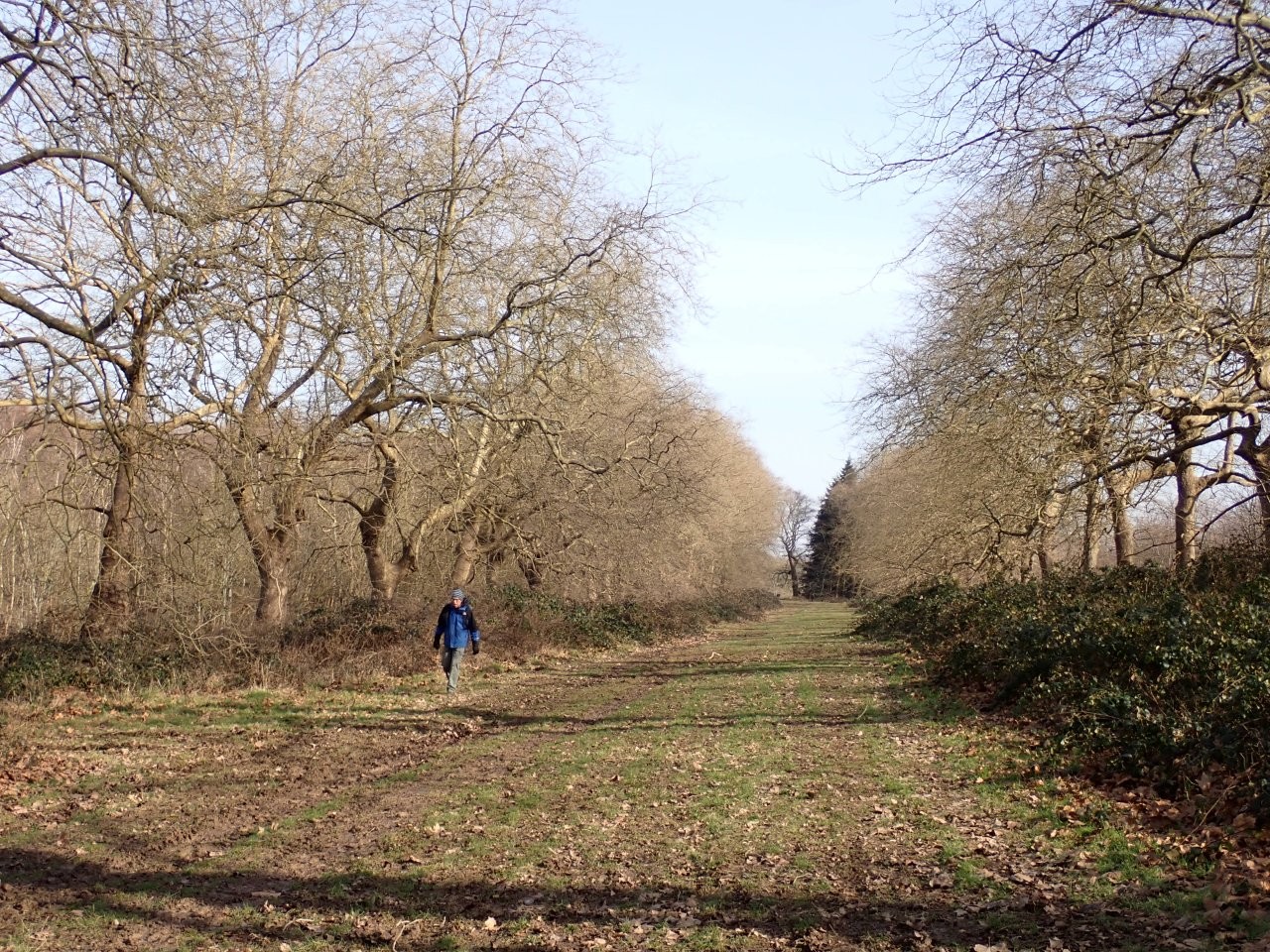
Clockwise circuit using parts of the Eden Valley Walk taking in Powder Mill / Haysden Country Park /
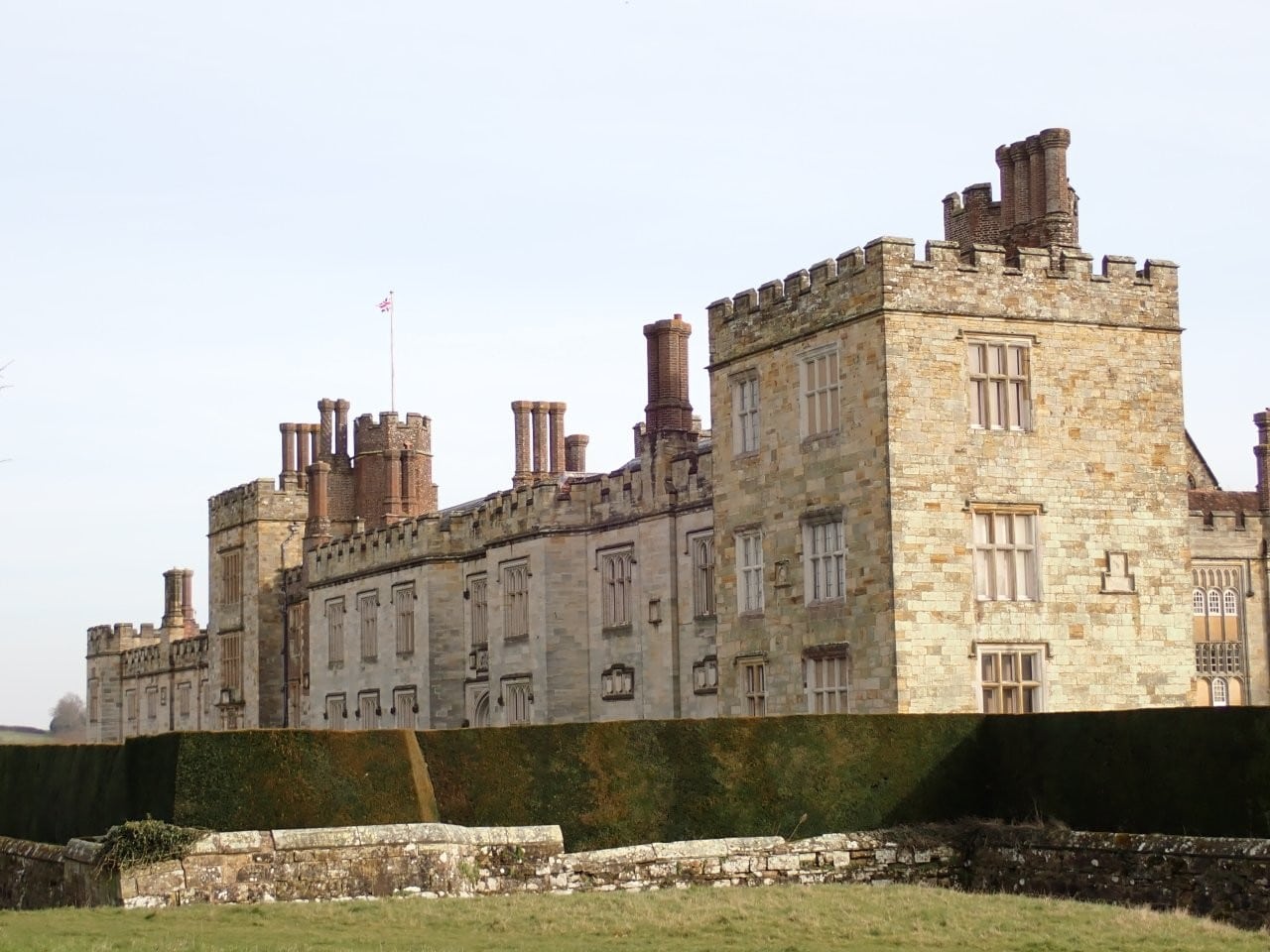
Tonbridge Flood Barrier / Penshurst Place / Penshurst Park.
Some history of places on this walk:
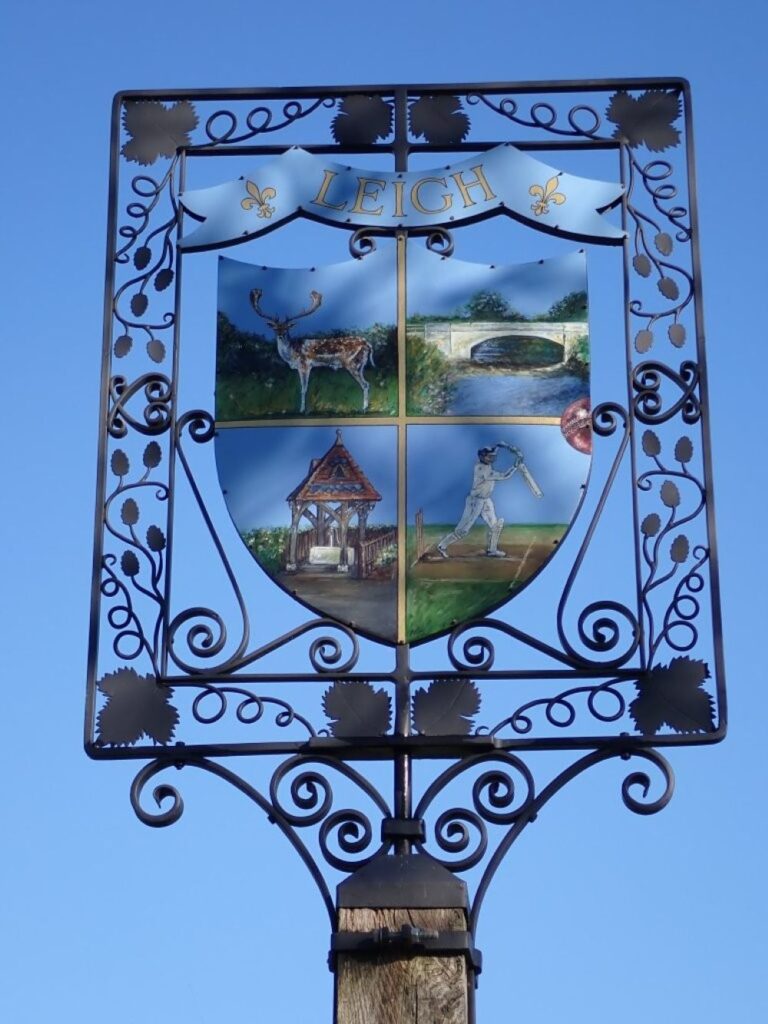
The name of the Leigh derives from the old English leah, meaning a forest glade or clearing. It is thought to have grown from a hamlet, evidence of which dates back to the late 11th century. Much of the land around the village was acquired in the 14th century by Sir John de Pulteney, owner of nearby Penshurst Place. In 1533, the estate passed to the Sidney familey, who retained ownership of most of this land until the early 20th century. The village grew substantially in the 19th century when the Baily and Morley families built many of the distinctive buildings present today, including Hall Place, East and Old Lodges, The Square, Forge Square and School Master's House. The Tonbridge to Redhill railway was built in 1842 to the south of the village, bringing further growth in population. The Fleur De Lis was originally built as cottages by Thomas Baily in 1855, but was bought by a local brewery, Bartrum and Company, in 1870.
From the middle of the Napoleonic Wars until 1934 the Leigh Powder Mills site was being used for the production of various types of gunpowder and other later explosives. Currently, little remains of the early factory workings but the site does represent an industrial archaeological feature which is very unusual in southern England.
In 1982, Southern Water completed the Leigh flood storage area (FSA). The FSA reduces the risk of flooding to around 1,200 homes and businesses in Tonbridge and Hildenborough. It works by storing the peak of a flood upstream and releasing it in a controlled manner once the peak has passed. When full, it covers approximately 278 hectares. It is formed of a 1.3 kilometre long, 5 metre high earth embankment across the Medway valley.
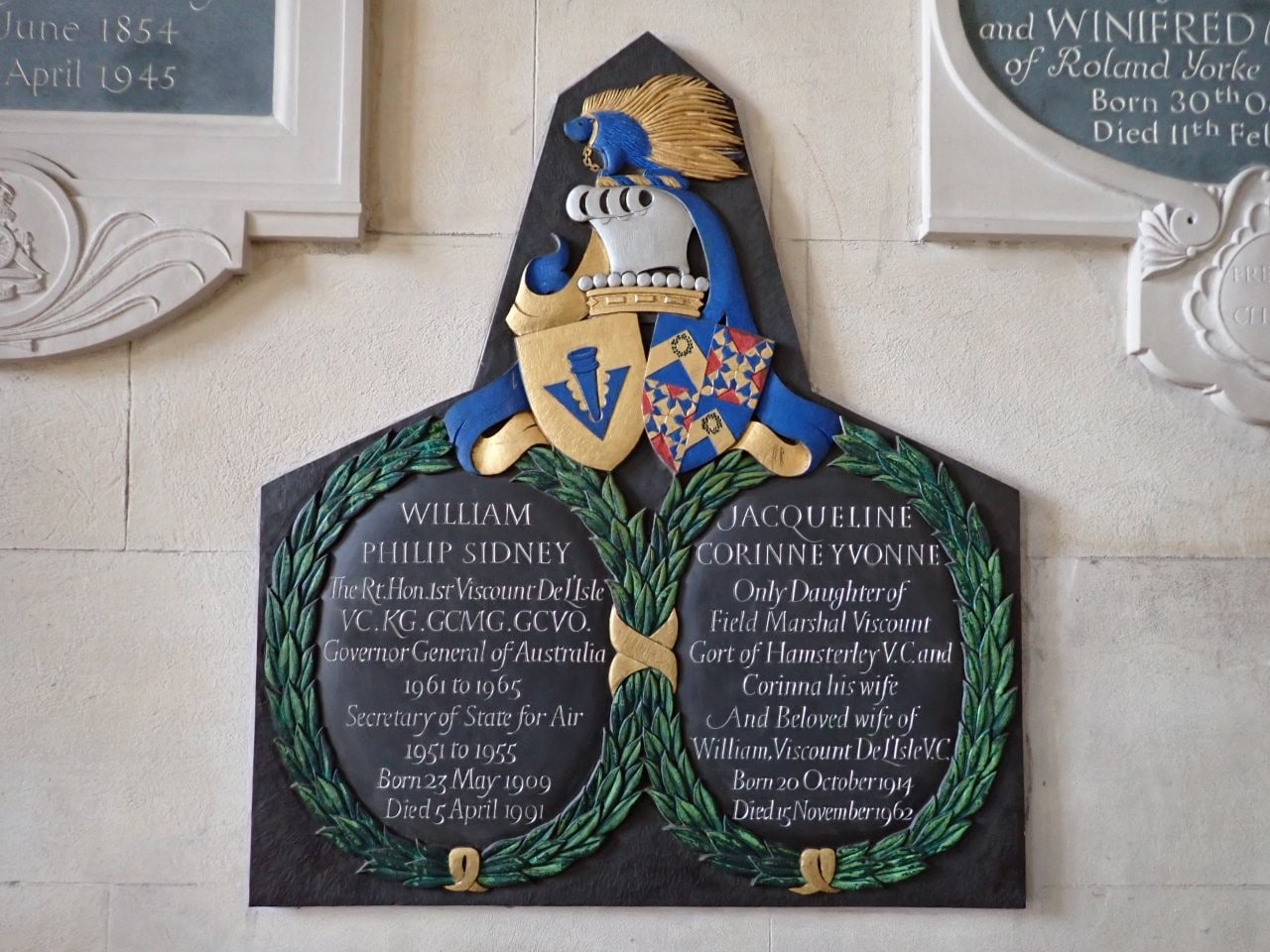
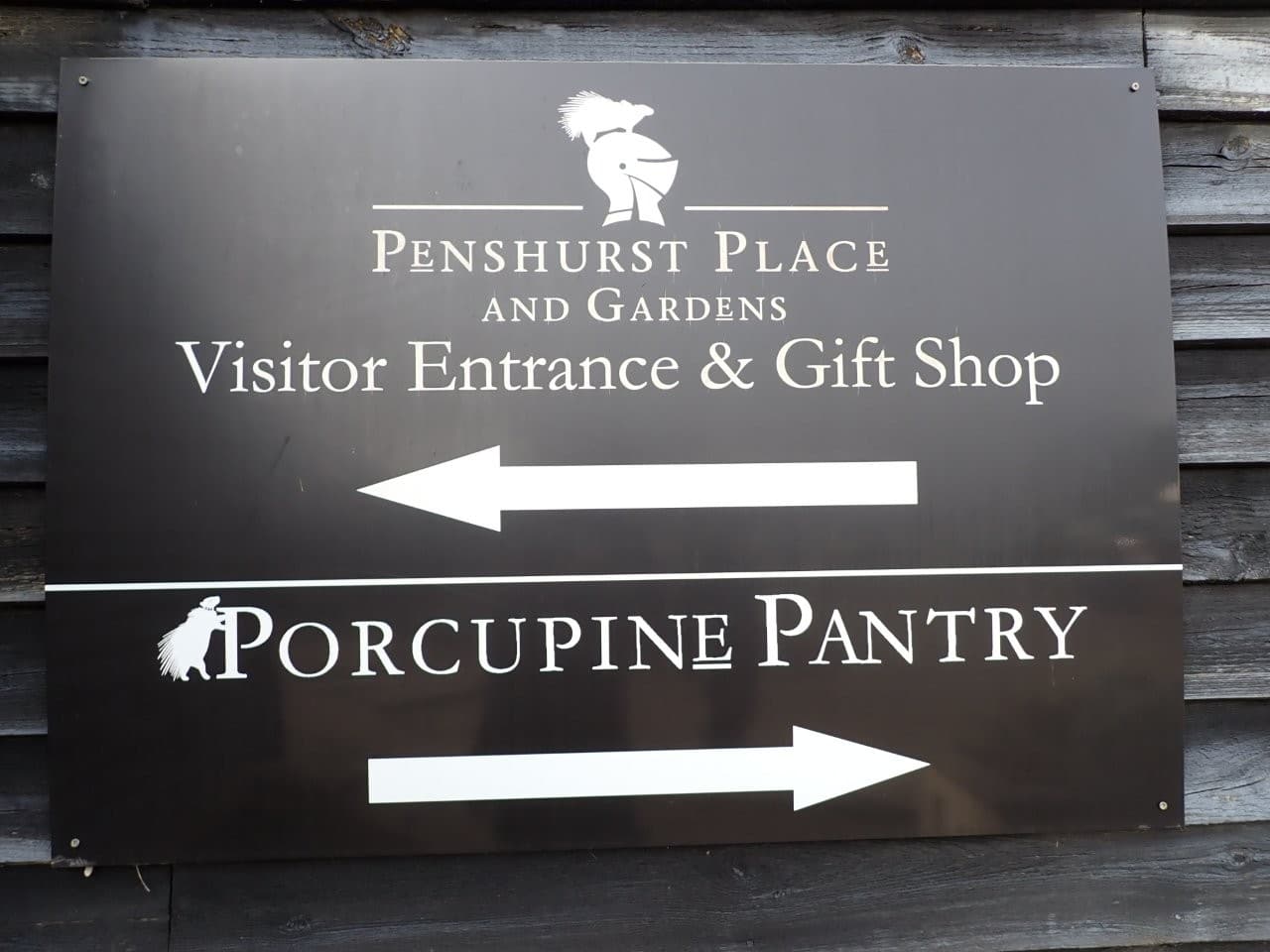
The original medieval house of Penshurst Place is one of the most complete surviving examples of 14th-century domestic architecture in England. William Sidney inherited Penshurst Place in 1945, he was created 1st Viscount De L'Isle in 1956. Much of the modern restoration of Penshurst is due to him and to his son, the 2nd Viscount; it had suffered neglect during World War I. Penshurst Place opened to the public in 1946 to help offset the cost of wartime damages, and remains open to this day.
Full details are available to members only

Ready for another adventure?
GOC Shop
From hoodies and t-shirts to bags, bottles and bears - show your love for GOC with our gear from Spreadshirt.